

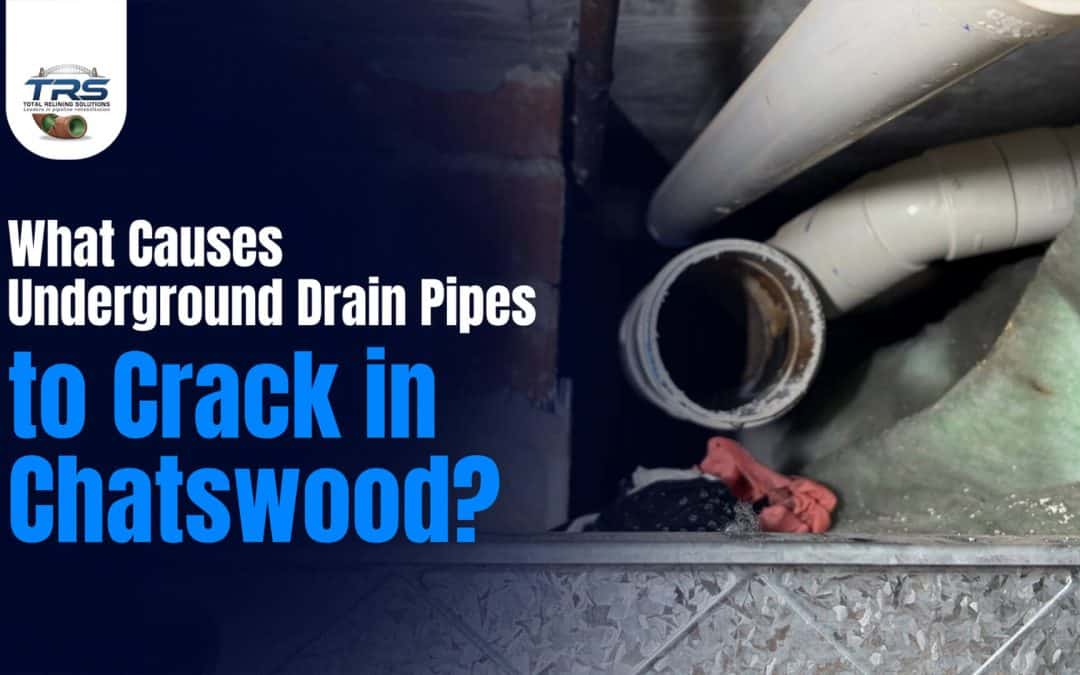
Underground drainage pipes can develop cracks when the soil supporting them moves or their materials weaken over time. Damage may progress unnoticed while wastewater continues flowing, particularly when small fractures have not yet disrupted drainage. Understanding these changes helps explain why buried pipes can fail even without an obvious problem above ground.
How Ground Movement Damages Underground Pipes
Buried drainage pipes rely on surrounding soil for support, although natural settlement can gradually change their position. When the ground shifts unevenly, connected pipe sections may experience stress that causes fractures or separates their joints.
An offset joint occurs when adjoining sections move out of alignment, leaving an uneven connection or opening between them. Wastewater can escape through these gaps, while debris may catch against the displaced joint and restrict drainage.
Heavy rainfall can contribute to movement when saturated ground becomes unstable or water washes away soil supporting a pipe. Escaping wastewater can then erode the surrounding ground further, leaving an already damaged section vulnerable to additional movement.
How Older Pipes Become Weakened
Ageing drainage materials may become more susceptible to cracking as deterioration gradually affects their strength and connections. Older clay pipes can develop fractures where brittle sections are exposed to pressure or movement in the surrounding ground.
Cast iron pipes face a different problem, with corrosion gradually weakening their walls as soil chemistry and water conditions take effect. Pipe joints can also deteriorate with age, creating gaps or weakening connections that once held adjoining sections together.
Older Chatswood homes may contain drainage materials that have endured decades of use, making the condition of existing pipework important when investigating cracks. Material deterioration does not always cause a failure by itself, but it can reduce the pressure a pipe can withstand.
How Surrounding Conditions Increase Pipe Damage
Beyond changes in ground support and pipe materials, nearby trees and activity above buried drains can contribute to damage. Tree roots seek moisture and can enter existing cracks or deteriorated joints, sometimes through surprisingly small openings.
As roots grow inside a pipe, they can enlarge damaged openings and obstruct wastewater flow. Clearing the roots may restore drainage temporarily, but the original opening remains available for further intrusion.
Heavy vehicles and construction activity can also place additional loads on buried pipework, particularly where the pipes are shallow or inadequately supported. Repeated pressure may worsen existing weaknesses and contribute to cracking, even when the source of the damage is not visible.
Identifying Cracks Before Choosing Repairs
Damage beneath a property may become noticeable through returning blockages, slow drains or unexplained damp patches in surrounding ground. These symptoms do not confirm a cracked pipe, so an inspection is needed to establish the cause.
A CCTV drain inspection allows plumbers to examine internal pipe conditions and locate fractures, displaced joints or root intrusion. Findings can show whether damage affects a short section or extends further through the drainage line.
Where the pipe remains suitable for rehabilitation, pipe relining can form a new internal lining without extensive excavation. Collapsed or severely displaced sections may require another repair method, making an assessment important before work begins.
Finding The Right Repair
Professional investigation of suspected underground pipe damage helps establish whether a fracture can be repaired while preserving surrounding surfaces. Identifying the condition of the existing drain also helps avoid repeated clearing when an underlying structural fault remains.
Total Relining Solutions assesses damaged drainage pipes and offers pipe relining in Chatswood where the existing pipe is suitable. Our team can identify the cause of cracking and recommend a practical repair for the affected section.
Arrange a professional drain inspection to identify cracked pipes and establish the most suitable repair for your property.


Recent Comments