

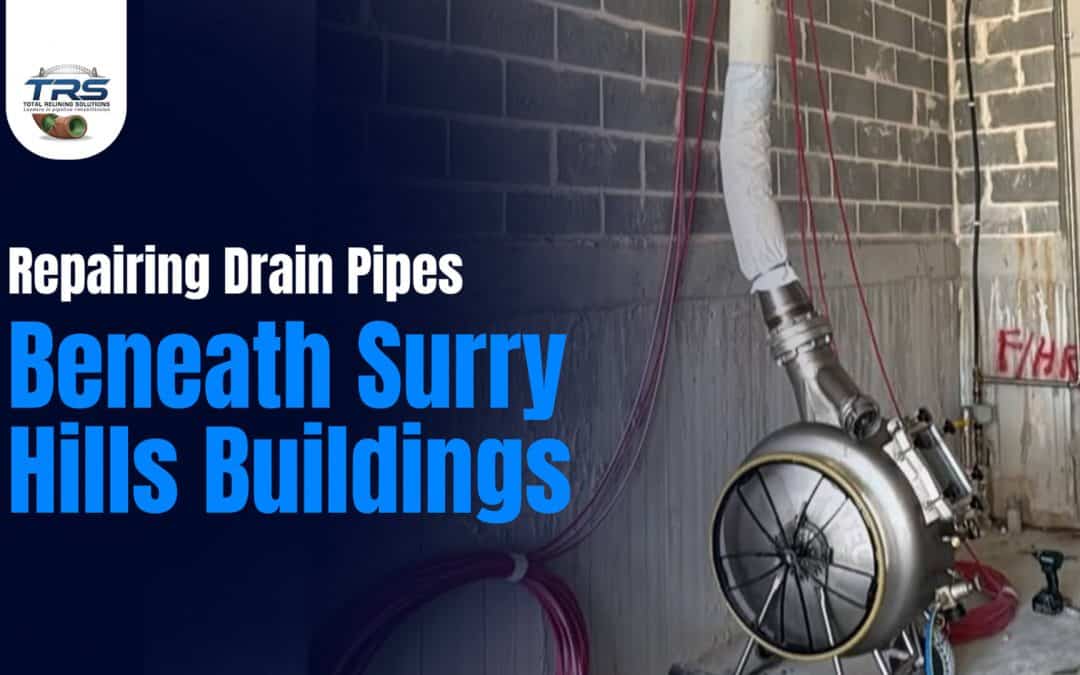
Damaged drainage pipes can be particularly difficult to repair when they run beneath an existing building. Limited access to underground pipework can complicate repairs, particularly when concrete floors and other established structures sit above the affected section. Properties in Surry Hills may benefit from less invasive repair methods that address underground damage while reducing disturbance to the building.
Damage Beneath Established Buildings
Underground drainage systems often run beneath concrete slabs, foundations and other parts of a building that cannot easily be disturbed. When these pipes become damaged, accessing the affected section can present challenges, particularly where excavation would require removing flooring or breaking through concrete.
Over time, drainage pipes may develop cracks, leaking joints or deterioration that affects their ability to carry wastewater. Tree roots can also enter through damaged connections, while ground movement may cause pipe sections to shift or separate.
Problems within concealed drainage pipes may become noticeable through slow drainage, repeated blockages or wastewater backing up through connected fixtures. However, these symptoms do not necessarily reveal where the damage is located or how much of the pipe is affected.
Repairing pipes under buildings requires an understanding of both the drainage problem and the surrounding structure before deciding how the affected section should be accessed.
Locating Pipe Damage Before Repairs
When underground drainage is difficult to access, identifying the location and extent of damage is an important part of planning repairs. CCTV drain inspections allow plumbers to examine the inside of buried pipes without excavating along the entire drainage line.
A specialised camera is inserted through an accessible inspection opening and guided along the pipe to identify cracks, displaced joints, root intrusion or collapsed sections. Footage also helps establish whether damage is confined to one section or extends further along the drainage system.
Understanding the condition of the existing pipe helps determine which repair methods are technically suitable. A damaged pipe that retains its shape may be suitable for internal relining, while substantial collapse or displacement can require a different approach.
Professional assessment can therefore help avoid unnecessary excavation while ensuring the selected repair addresses the condition responsible for the drainage problem.
Repairing Pipes Without Extensive Excavation
Where the existing drainage pipe remains suitable, pipe relining offers a way to repair damage from within the pipe rather than excavating beneath the building. Trenchless pipe repair can be particularly beneficial when drainage runs beneath concrete slabs, finished flooring or other areas where access is restricted.
Following an inspection, the affected pipe is cleaned to remove obstructions and prepare its internal surface for the repair. A resin-soaked liner is then inserted into the damaged section and cured against the existing pipe walls, forming a new internal lining.
Once cured, the lining seals cracks, leaking joints and openings that previously allowed tree roots to enter the pipe. Repairs can often be completed through existing access points, although some properties may require a small additional opening.
Avoiding extensive excavation can reduce the need to remove and reinstate concrete, flooring or other established surfaces. It can also limit disruption to occupants, particularly where the damaged drainage runs beneath occupied areas of the building.
However, relining is not suitable for pipes that have collapsed completely or sections that have sunk and lost their required fall. Where the existing pipe cannot support a liner or needs its alignment corrected, excavation and replacement may be necessary.
Choosing The Right Drain Repair
Repairing underground drainage beneath an established building requires a method that addresses the damage while considering the difficulty of accessing the pipe. A professional assessment can establish whether internal repair is possible or whether more extensive work is needed.
Total Relining Solutions provides pipe relining services for suitable damaged drainage, helping property owners in Surry Hills explore repair options that minimise unnecessary disturbance to existing structures. Our team can assess the pipe’s condition and determine whether relining is an effective approach.
Arrange a professional drainage assessment to find out whether damaged pipes beneath your building can be repaired without extensive excavation.


Recent Comments