

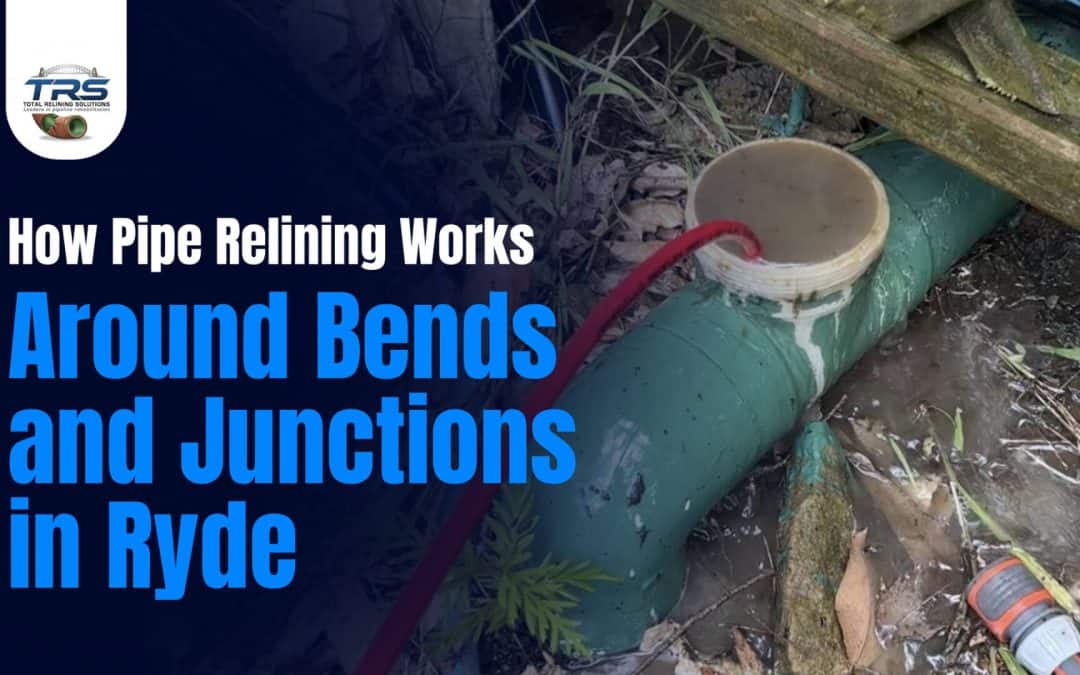
Damaged drainage pipes can be more difficult to repair when the affected sections contain bends or junctions that connect different parts of the system. Modern pipe relining techniques can accommodate many of these configurations, allowing suitable damaged pipework in Ryde properties to be repaired internally without extensive excavation or removal of surrounding structures.
Assessing Bends For Suitable Repairs
Although modern relining systems can accommodate many changes in direction, the condition and shape of the existing pipe determine whether installation is practical.
Sweeping 45-degree bends and medium-radius 90-degree elbows can often be relined using suitable flexible liners, even when multiple bends occur along the same pipe. More complicated arrangements involving sharp turns or closely positioned elbows may require sectional repairs or specialised installation methods.
Pipe diameter also influences the available options, as smaller pipes can make navigating tight bends more challenging. Significant joint misalignment, severe collapse or restricted access may prevent successful installation and require another repair approach.
A CCTV drain inspection allows technicians to examine damaged sections, identify junction locations and determine which relining method is suitable for the existing configuration.
Repairing Pipes With Changes In Direction
Pipe relining involves installing a resin-coated liner inside existing pipework, creating a new internal pipe structure once the material has hardened. Although the process is relatively straightforward along straight sections, bends and junctions require greater care to ensure the liner follows the original pipe configuration.
Drainage systems commonly contain 45-degree and 90-degree bends that redirect wastewater around foundations, underground structures or other sections of pipework. Junctions also connect branch drains to main drainage lines, creating openings that must remain functional after repairs.
Modern pipe relining systems can navigate many of these configurations, including multiple bends along the same pipe run. Successful installation requires the liner to maintain contact with the internal pipe walls without excessive wrinkling, stretching or restricting wastewater flow.
Using Specialist Methods For Complex Pipes
Different relining techniques allow damaged bends and junctions to be repaired according to their configuration and accessibility. Choosing the right installation method helps achieve a reliable repair while avoiding unnecessary work on unaffected pipe sections.
Pull-in-place relining involves positioning a resin-saturated liner within the damaged section using ropes or cables, typically requiring access from both ends. Installers can carefully control its placement around multiple bends or junctions before inflating the liner against the existing pipe walls and allowing the resin to harden.
Alternatively, inversion relining uses air or water pressure to turn a flexible liner inside out as it travels through the pipe. As the liner moves through manageable bends, controlled pressure helps it follow the existing shape, making this method particularly effective for longer pipe sections.
When damage is concentrated around a particular bend or junction, sectional relining can repair the affected area without lining an entire pipe run. Specialist junction repair tools can also seal damaged branch openings or connect lined sections while maintaining the necessary drainage connections.
Installing Liners Through Existing Pipework
Once the damaged sections have been assessed, technicians prepare the pipework by removing roots, scale and other deposits that could interfere with installation. A final inspection confirms that the internal passage is sufficiently clean for the selected liner to be positioned correctly.
During installation, the liner is guided through the existing pipework and pressed against its internal walls before the resin is allowed to harden. Repairs can often be completed through existing access points, reducing disturbance to concrete, driveways and landscaped areas above the drainage system.
Following installation, any branch connections covered by the liner can be reopened using robotic cutting equipment. A final CCTV inspection checks the repaired sections for correct liner positioning, wrinkles and unobstructed junction openings.
Finding The Right Repair Approach
Complex bends and junctions require professional assessment to determine whether the existing drainage system can accommodate an internal repair. Total Relining Solutions provides pipe relining services for Ryde properties, assessing damaged pipework and recommending suitable methods to repair affected sections with minimal disruption.
Contact our team to arrange a drainage assessment and discuss repair options for damaged pipe bends or junctions.


Recent Comments